




January Skin Blues? How to Beat Dry Skin in Winter
November 24 | 2026
8 Min Read

January Skin Blues? How to Beat Dry Skin in Winter
Everyone gets the January blues. The Christmas decorations have come down, the kids are heading back to school, and your social feeds are full of ‘new year, new me.’ Meanwhile, most of us are proud if we manage to crawl out of bed and into the cold, crisp air to get to work on time.
Then there’s your skin. Maybe your foundation is clinging to dry patches by lunchtime, or your face feels tight the second you step out of the shower. Dry skin in winter is really common. The good news is that it’s usually easy to fix with a few small changes to your routine.
The team here at Sculpted has your back. With a few tweaks and a bit of that signature Sculpted simplicity, you can breeze through winter with skin that looks fresh, glowing and perfectly hydrated. The secret? Bring on the winter skincare.
Beat Dry Winter Skin in Four Simple Steps
1. Put your barrier first
2. Layer hydration on damp skin
3. Lock it in with a Ceramide moisturiser
4. Keep up the SPF

Why Does Skin Get Dry in Winter?
Winter can be tough on your skin. Cold air outside and central heating inside pull moisture from your skin all day long. Add low humidity, and your skin barrier (the outer layer that keeps moisture in and irritants out) struggles to hold onto hydration.
Long, hot showers don’t help either. They feel lovely on a freezing morning, but hot water strips away your skin’s natural oils. The result? Chapped lips, tight cheeks and patches that just won’t sit right under makeup. Sound familiar? You’re not alone.
It’s tempting to dip straight into your makeup bag. A dewy foundation or a swipe of highlighter brings the glow back, right? Our advice is to start with skincare first. Real, lasting radiance comes from healthy, hydrated skin. A routine that locks in moisture and protects your barrier means you’ll look and feel your best, with or without makeup.
The key is to reach for hydrators and barrier boosters:
-
Hyaluronic Acid: draws water into skin, like a big drink for a thirsty face
-
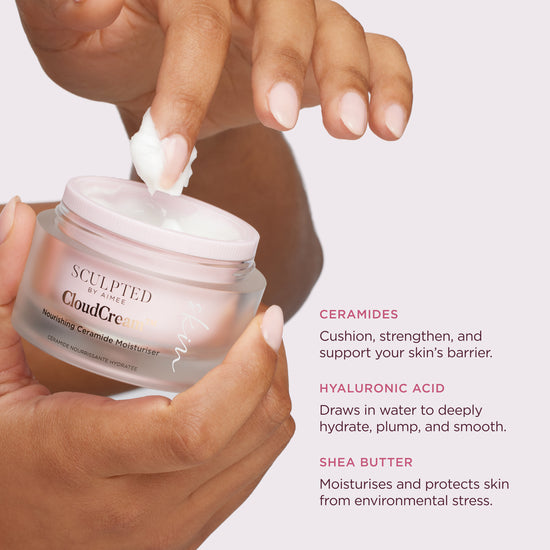
Ceramides: cushion and protect your skin barrier so moisture stays put
-
Shea Butter: rich, comforting moisture that softens rough patches
-
Niacinamide: helps strengthen your skin barrier and even out tone
Not sure if your skin is naturally dry or just reacting to the weather? Our guide to identifying your skin type will help.
Is Your Skin Dry or Dehydrated?
Dry and dehydrated skin may feel similar, but they’re not the same thing. Knowing which one you’re dealing with can help you pick the right products.
Dry skin is a skin type. It’s short on oil, so it often feels rough, flaky or even a little itchy. What it needs is super nourishing ingredients like Ceramides and Shea butter to replace what’s missing and cushion your skin barrier.
Dehydrated skin is a skin condition, and it’s short on water. It feels tight, especially after cleansing, and loses some of its usual bounce and glow. Anyone can get it, even if your skin is usually oily. That’s why so many of us notice it in winter, when the heating’s on full blast. Hyaluronic Acid on damp skin tops the hydration back up.
Plenty of us have a bit of both in January. If that sounds like you, layer hydration first, then seal it in with a nourishing moisturiser.
| Dry Skin | Dehydrated Skin | |
|---|---|---|
| What's Missing | Oil | Water |
| How It Feels |
Rough, flaky, sometimes itchy
|
T ight, especially after cleansing |
| How It Looks | Patchy, flaky areas | Less bounce and glow than usual |
| Who Gets It | Usually naturally dry skin types | Any skin type, especially during winter |
| What Helps | Ceramides and Shea Butter | Hyaluronic Acid on damp skin |
Your Winter Skincare Routine for Dry Skin
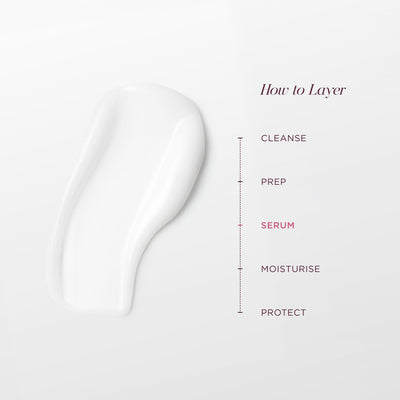
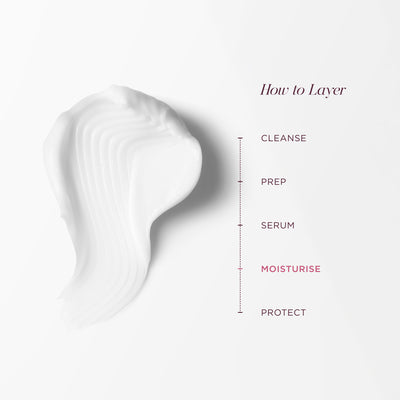
Building the best winter skincare routine is a bit like putting together the right outfit for a chilly day. The number one rule? Layer up. Start with a gentle cleanse, then a hydrating serum, followed by a barrier-protecting moisturiser and, in the morning, SPF. Keep a balm in your bag for chapped lips and dry spots on the go, and don’t forget about the rest of your body too.
Step 1: Cleanse Gently
Your cleanser should take away the day, not your skin’s natural oils. If your face feels squeaky clean or tight after washing, your cleanser is working too hard. Swap foaming or gel washes for something gentle and non-foaming, like our Gentle Cleanse, and use lukewarm water rather than hot. Massage it in for 30 seconds, rinse, then pat (don’t rub) your face with a soft towel. Keep your skin slightly damp; that’s the secret to the next step!
Step 2: Hydrate on Damp Skin
For hydration that sinks deep into skin, a serum is the way to go. Serums often hold higher concentrations of those all-important actives and have a lighter texture, so they absorb quickly.
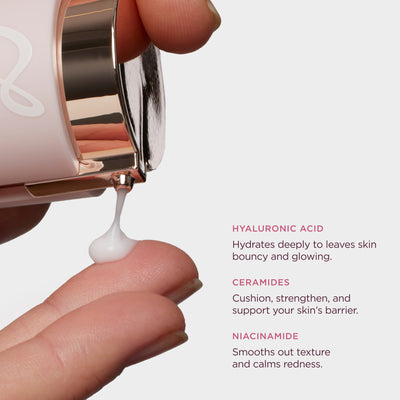
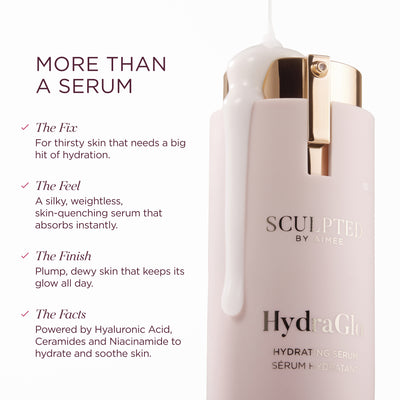
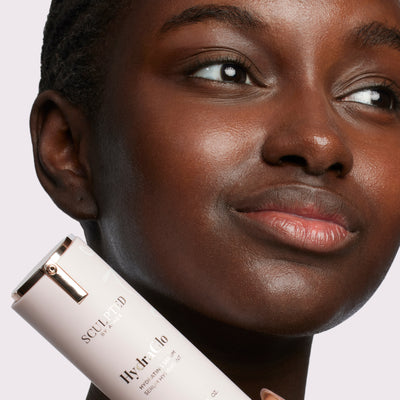
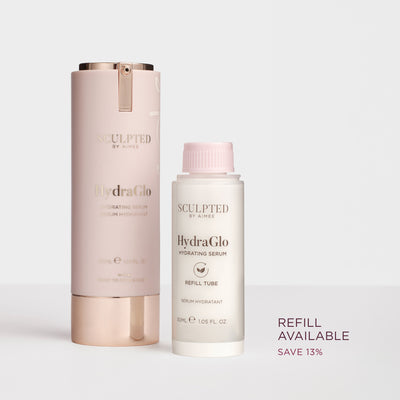
HydraGlo is our lightweight hydrating serum. It’s powered by Hyaluronic Acid to draw water into the skin, Ceramides to help keep it there, and Niacinamide to even out tone and texture.
Massage 1-2 pumps onto freshly cleansed, slightly damp skin. Hyaluronic Acid works best when there’s water for it to grab onto, so don’t towel off completely. Follow with moisturiser straight away.
Step 3: Lock it in With a Ceramide Moisturiser
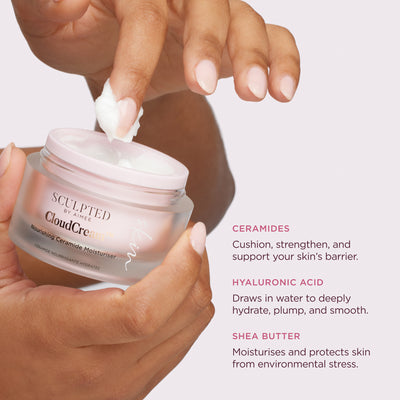
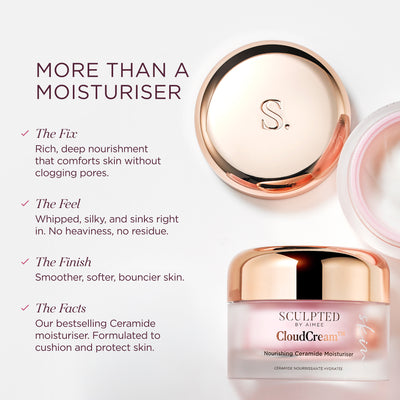
If you only change one thing this winter, make it your moisturiser. This is the step that keeps all that hydration where it belongs. Wondering what the best ingredient for dry skin in winter is? Ceramides are a great place to start. They’re natural fats in your skin barrier, a bit like the mortar between bricks. When they’re topped up, moisture stays in, and irritants stay out.
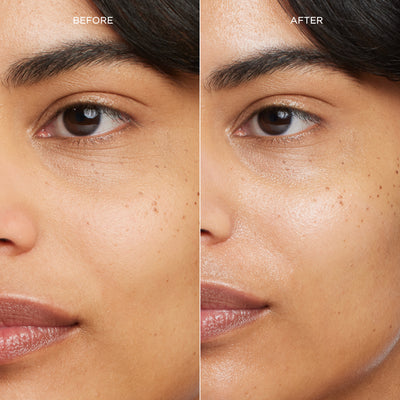
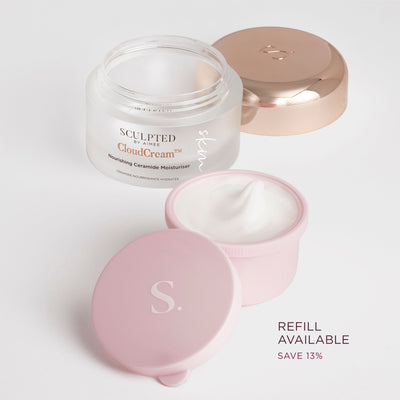
Our bestselling CloudCream™ is a Ceramide moisturiser that’s comforting enough for a bitter January morning but light enough to wear under foundation.
Learn more about Ceramides and why your skin loves them in our handy guide.
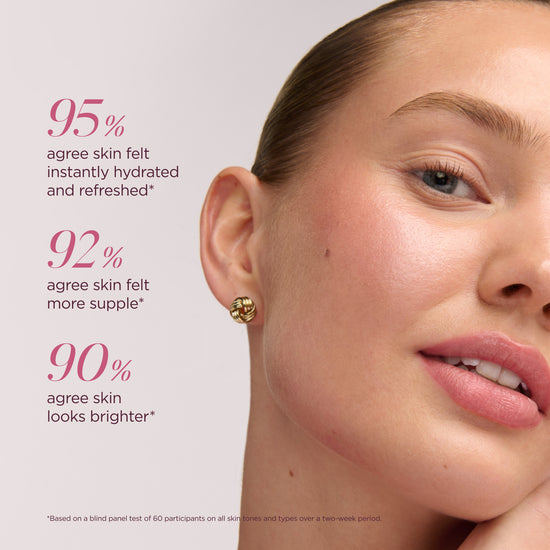
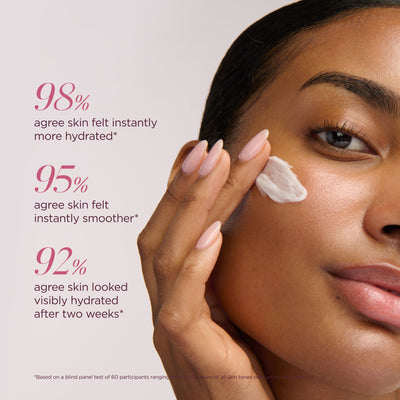
98% agree skin felt instantly more hydrated.
95% agree skin felt instantly smoother.
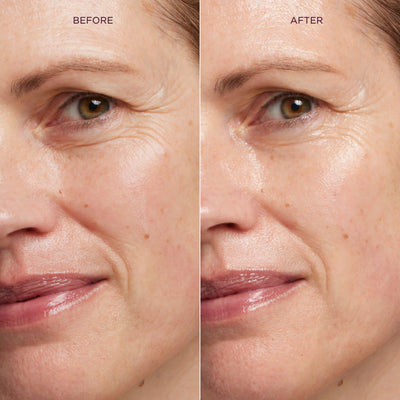
92% agree skin looked visibly hydrated after two weeks.
*Based on a blind panel test of 60 participants ranging from 18-80 years of all skin tones over a two-week period.
Step 4: Keep Up the SPF
Grey skies don’t mean you can skip SPF. UV rays are still around in winter, even on cloudy days, and they reach your skin whether you notice the sun or not. Make a broad-spectrum SPF the last step of your skincare every morning, all year round. If you’re new to SPF, our guide to everything the experts want you to know about SPF covers the basics.
Want more help deciding which products to use when? Our guide to morning vs night skincare routines breaks it down.
Our Seven Favourite Winter Skincare Tips
-
Put your skin barrier first. Before chasing a glow, focus on hydrating and protecting. A happy barrier does a lot of the hard work for you.
-
Strip back your actives. Exfoliating acids and Retinol can be harsh on stressed winter skin. Try cutting back to a couple of nights a week, and skip them if your skin stings.
-
Go easy on sensitive skin. Winter can make it more reactive. Keep your routine short, introduce one new product at a time and patch test first.
-
Turn the temperature down. Use lukewarm water to wash your face, and keep showers short and warm rather than hot.
-
Add moisture back into the air. If you have the heating on all night, a humidifier in your bedroom can help stop skin from drying out while you sleep.
-
Show your lips and hands some love. They work hard all winter, so give them a little extra care. Keep Lip Treat and Beauty Balm in your bag for a quick dose of comfort wherever you are.
-
Treat your body too. After a shower, massage HydraBody Nourishing Oil into damp skin. It sinks in beautifully and leaves skin soft and glowing for a little bit of everyday luxury.
How to Make Makeup Work With Dry Skin
Ever noticed your makeup doesn’t sit quite right in winter? Foundation is harder to blend and looks patchy in places. Powder can settle into fine lines, and by the afternoon your base feels tight. It’s usually a sign your skin needs more hydration, and a few small changes help:
-
Let your moisturiser sink in for a few minutes before you start
-
Pat a little concealer on the areas you need it. Brighten Up is super light, creamy and doesn’t settle in fine lines.
-
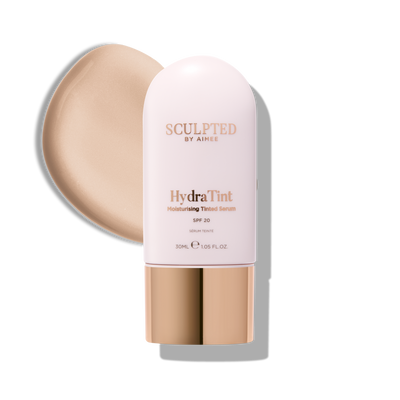
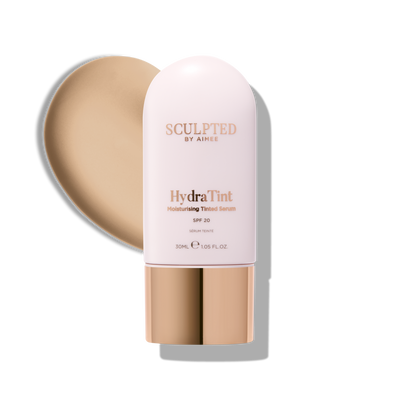
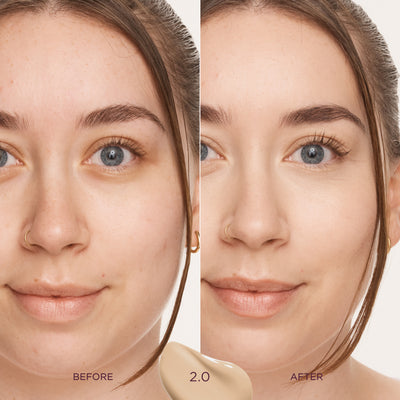
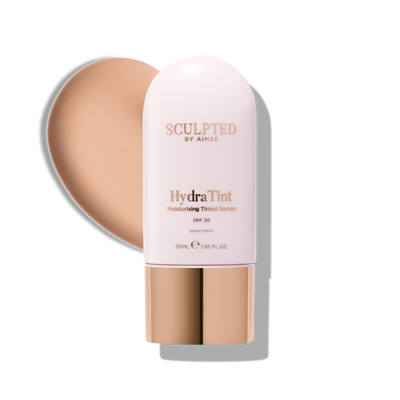
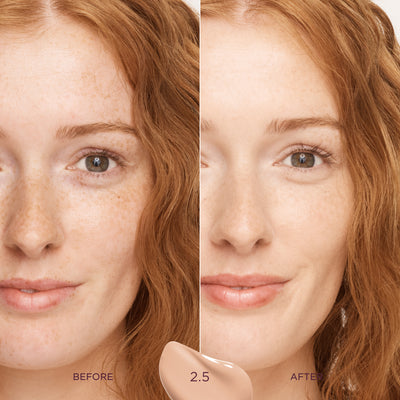
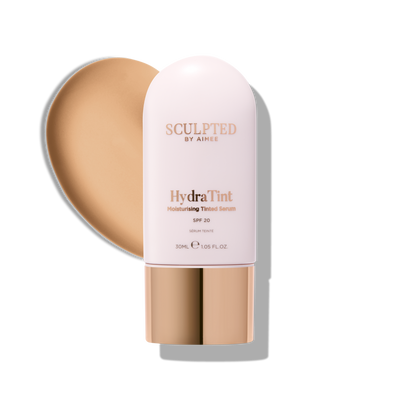
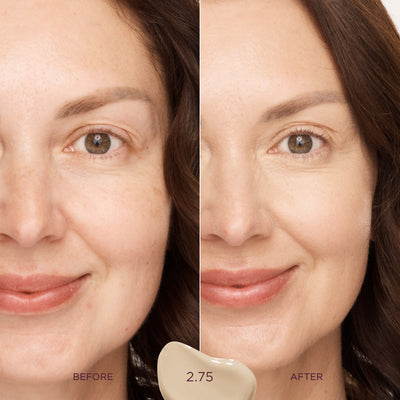
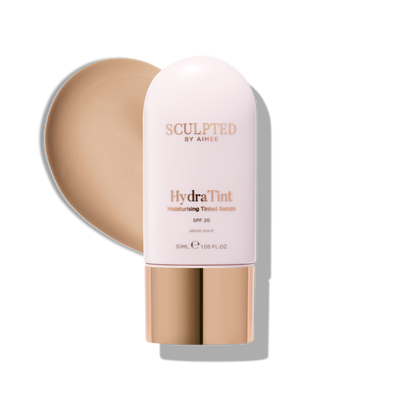
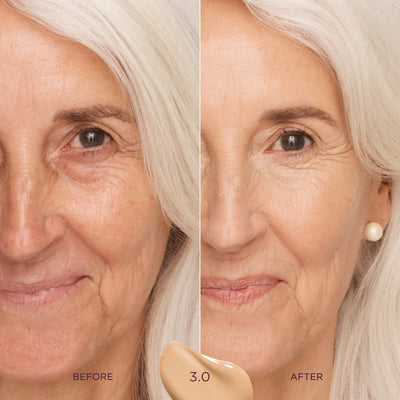
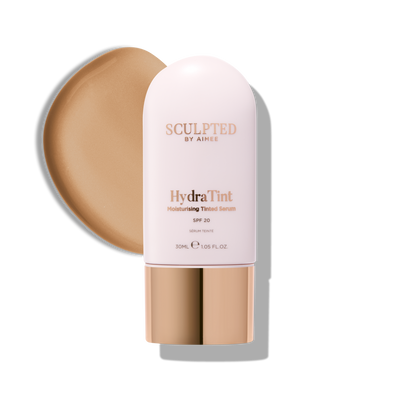
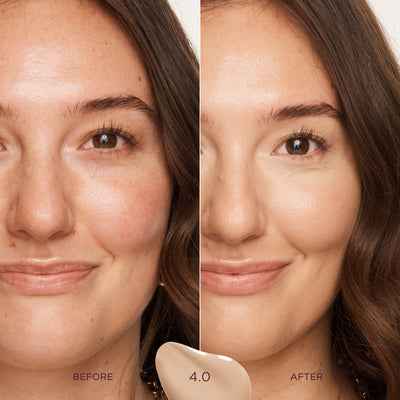
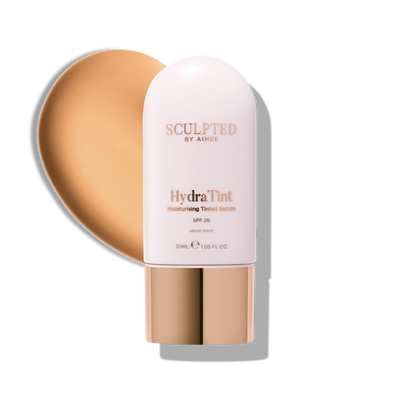
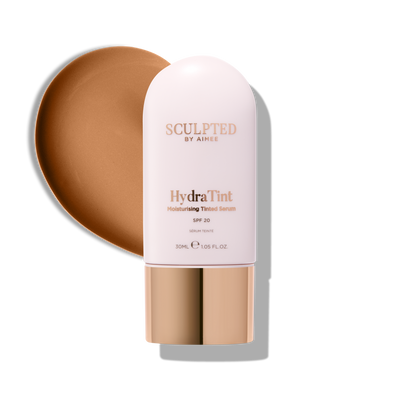
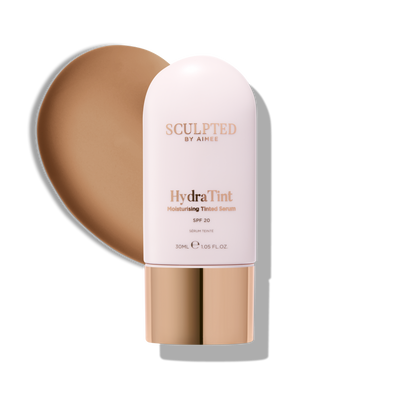
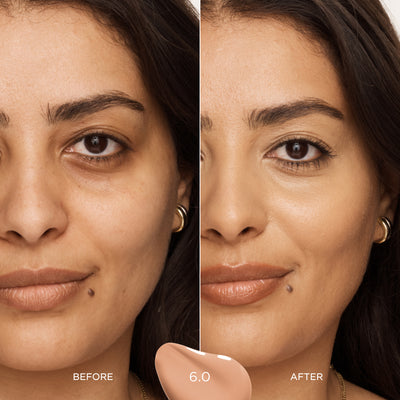
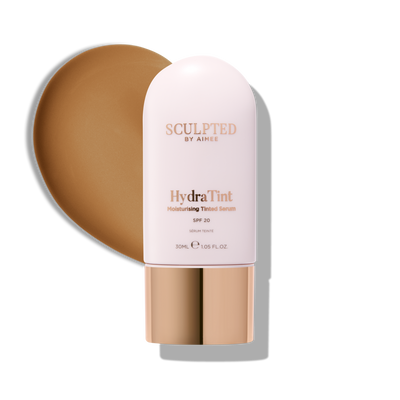
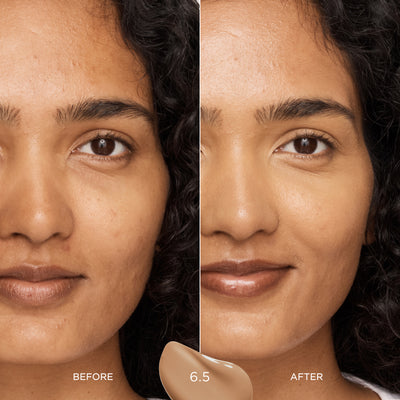
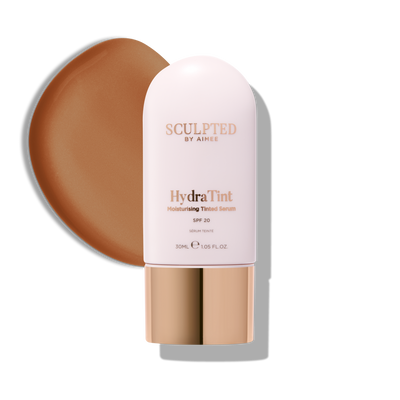
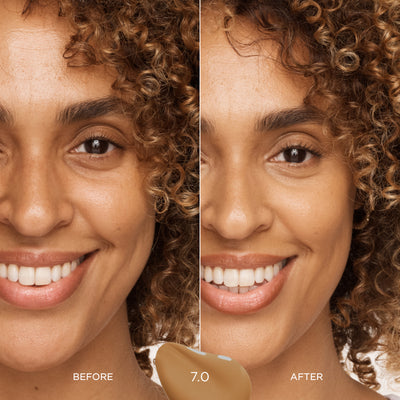
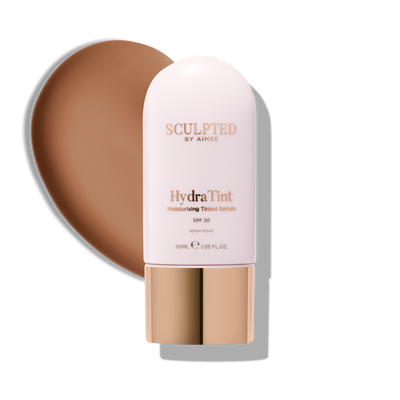
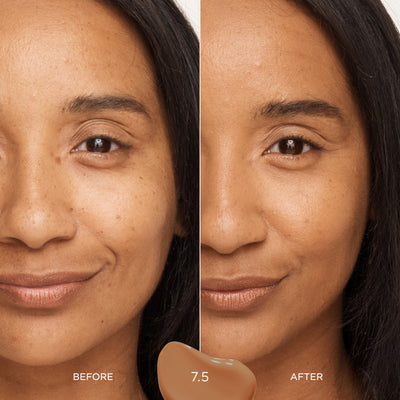
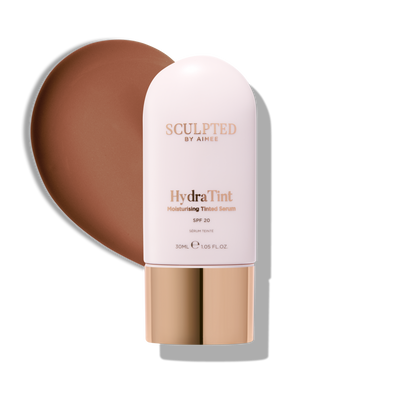
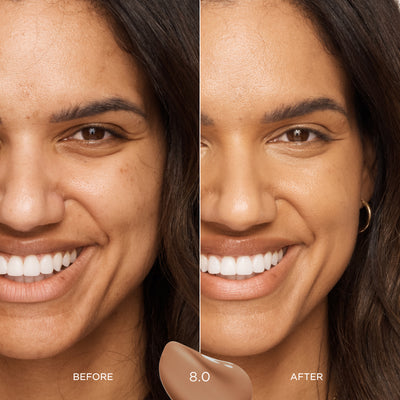
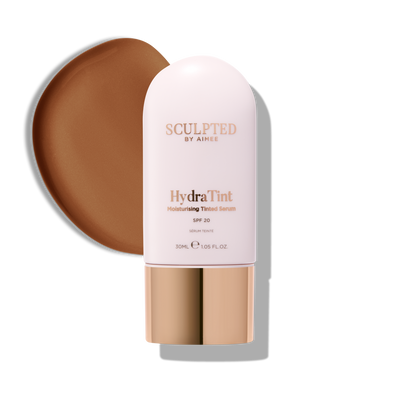
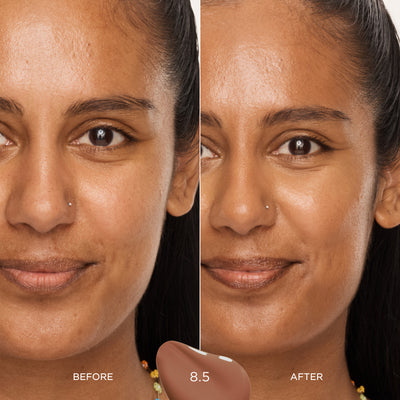
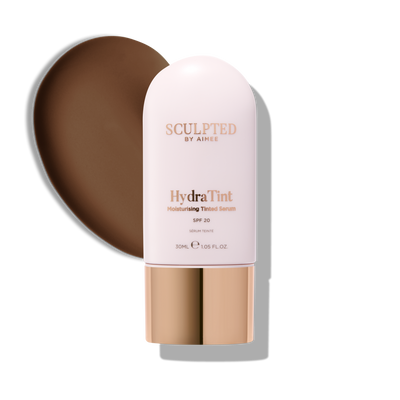
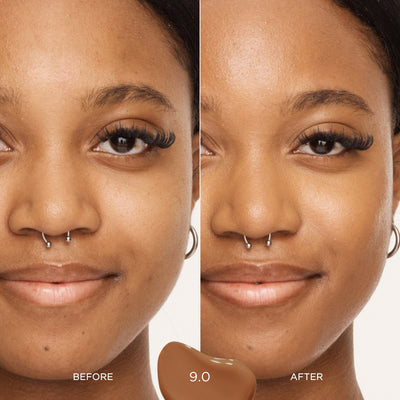
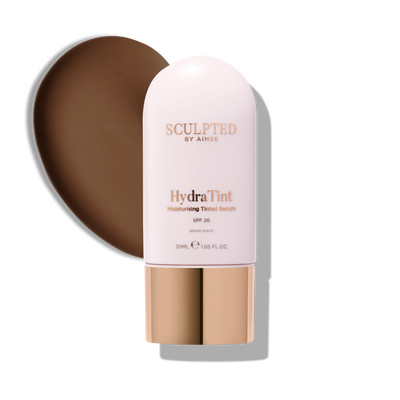
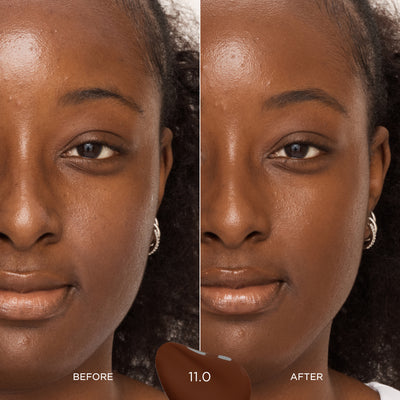
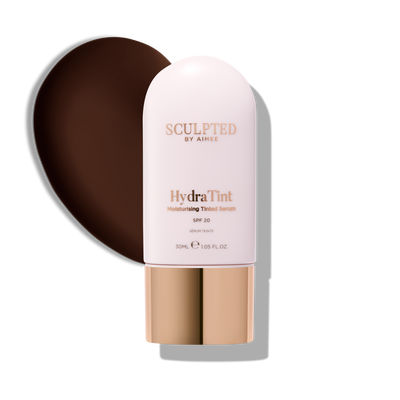
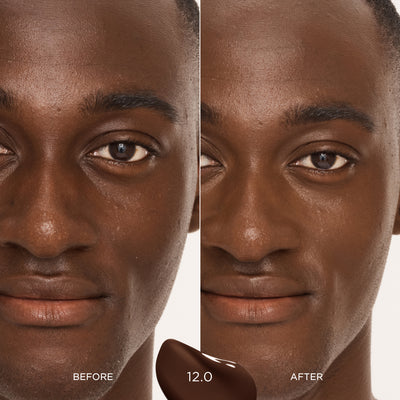
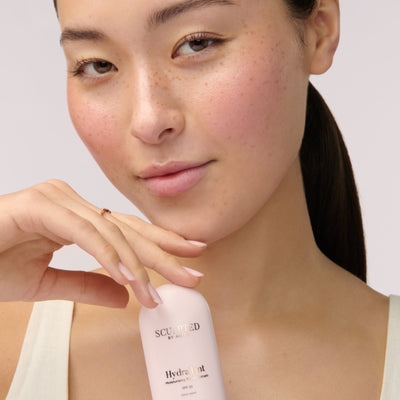
Swap heavy foundation for a hydrating base like HydraTint
-
Go lightly with powder, pressing it only where you need it. Our Second Skin Soft Blur Setting Powder is designed to set makeup while keeping your natural glow intact
Winter Skin, Sorted
Dry skin in winter doesn’t have to stick around until spring. Start with a soft, non-foaming cleanser and lukewarm water. Layer your serum on while your skin is still damp, then lock it in with a Ceramide moisturiser. Finish with SPF every morning. That’s it. A few easy swaps, and your skin will feel comfortable and glowy again. Ready for a winter skin reset? Our dry skin heroes have everything you need in one place.
Dry Skin in Winter FAQs
Why is my skin so dry in winter?
Dry skin in winter is mostly down to the weather. Cold air outside, central heating inside and low humidity all pull moisture from your skin. Long, hot showers make it worse by stripping away natural oils. Together, they weaken your skin barrier, so it struggles to hold onto water and starts to feel tight and flaky.
How do I keep my skin hydrated in winter?
Layer hydrating skincare. Cleanse gently with lukewarm water, apply a Hyaluronic Acid serum to damp skin, then lock it in with a Ceramide moisturiser. Keep showers short and use a humidifier if the heating’s on overnight. Lips and hands dry out first, so give them a balm too.
How do I take care of my sensitive skin in winter?
Keep things simple. Stick to a non-foaming cleanser, a comforting moisturiser and SPF, and use exfoliating acids and Retinol less often. Introduce one new product at a time and patch test it on a small area first. If redness or irritation doesn’t settle, speak to a pharmacist or your GP.
Should I stop using actives in winter?
Not necessarily, but you might want to use some less often. Exfoliating acids and Retinol can feel harsher on dry, stressed skin, so try them a couple of nights a week and follow with a nourishing moisturiser. Hydrating ingredients like Hyaluronic Acid and Niacinamide are usually fine to keep using daily.
Do I need SPF in winter?
Yes. UV rays are still around in winter, even on grey, cloudy days, so your skin still needs protecting. Make a broad-spectrum SPF the last step of your morning skincare routine all year round, and reapply if you’re spending a lot of time outdoors.
Products Mentioned


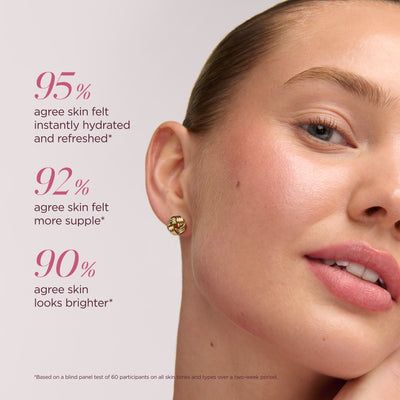







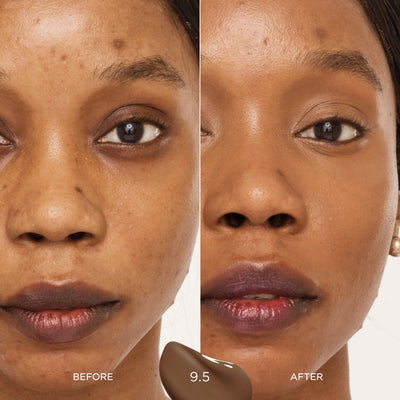
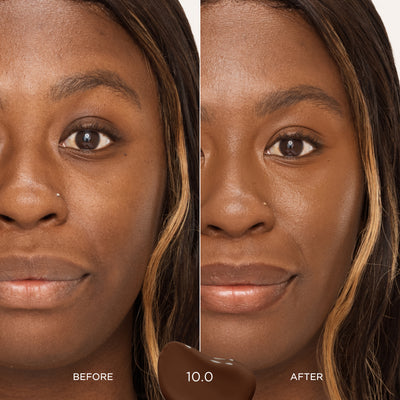
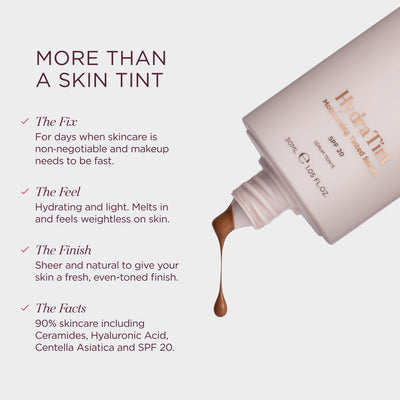

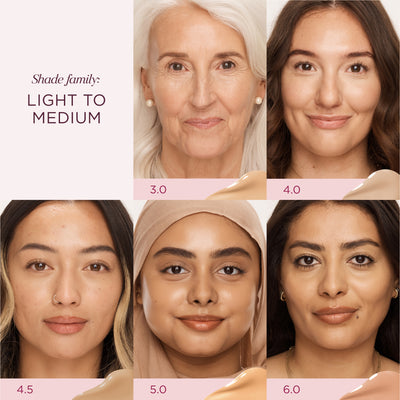
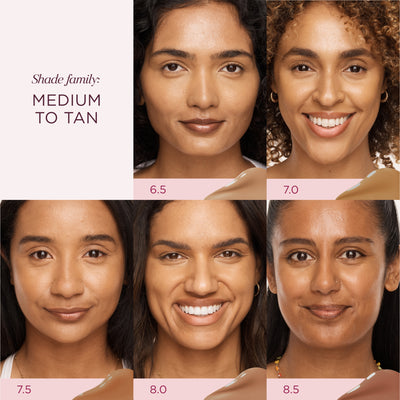

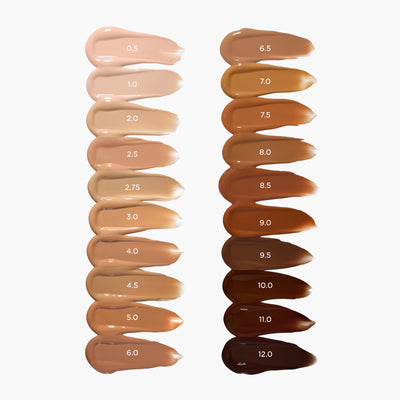


90% skincare with the perfect hint of tint.
$48


 @SculptedByAimee